
How to Stop Judging People in Online Gambling and Gaming Communities
Communities for online gambling and gaming have grown into busy online places where millions of people go to have fun, test their skills, and meet new people. But these same venues are often used to judge and criticize people harshly. Players criticize each other's betting methods, game choices, win-loss records, and spending habits without fully knowing what's going on. In these situations, learning how to stop judging people leads to better relationships and more fun for everyone.
Why We Judge Others in Online Gambling and Gaming Spaces
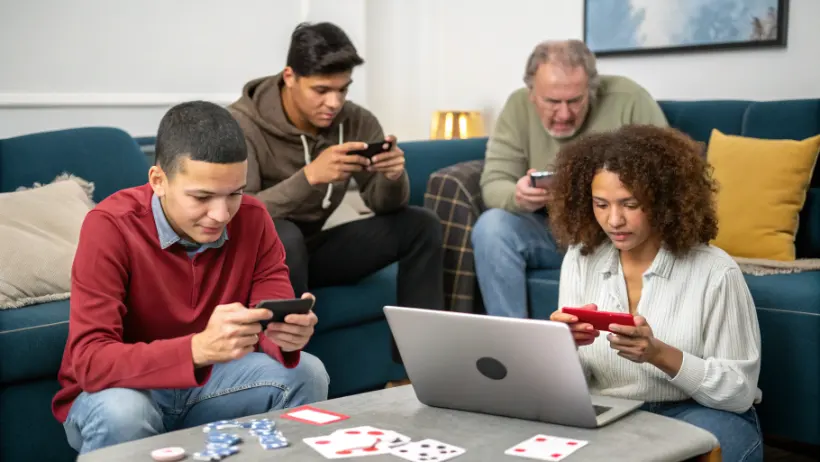
How people think about digital judgment
As a way to stay alive, people naturally make snap judgments about others. However, this urge often goes wrong in online settings. Face-to-face cues usually help us control our responses, but digital platforms take them away. This makes it easier to make snap decisions without thinking about the effects. When we see someone making what looks like a risky bet or playing a game we think is below them, our brains quickly label them as stupid or below us. This natural reaction gets stronger in places where people gamble for money and where feelings are high.
Since people can be anonymous online, it makes them even more likely to judge. We feel free to criticize choices we would never say anything about in person because we don't have to show our names. High-roller poker players might make fun of someone who plays low-stakes slots, and professional gamers who have spent thousands of hours perfecting their craft will treat regular gamers with contempt.
Comparing people on a social level in competitive settings
Platforms for gambling and gaming naturally make people competitive by using ranks, leaderboards, and clear win rates to encourage constant comparison. Players at platforms like Casinacho casino and similar venues can easily see other players' stats, betting habits, and game choices, which makes us compare ourselves to others a natural tendency. When we are hard on someone else's gambling or gaming choices, we are usually trying to make ourselves look better or justify the choices we have made for ourselves.
When money comes into the picture, this comparison becomes even more harmful. People who have lost a lot may think that winners are lucky instead of smart, and people who are winning may think that people who are suffering are not smart or disciplined. Neither point of view takes into account the many complicated factors that affect the results of both skill and chance games.
Gaming Across Generations and Cultures
People of all ages and cultures have very different standards and values when it comes to online entertainment. Older gamers might look down on younger gamers who buy cosmetic items or "microtransactions," and younger gamers might think that classic gambling games are old-fashioned or dull. These differences between generations lead to mistakes when judgment takes the place of interest.
The way our culture views gambling and games also affects how we see other people. In some societies, gaming is seen as very bad, while in others it's seen as a fun thing to do. When people from different backgrounds play together without knowing each other's cultures, judgment often takes the place of knowledge.
How to Stop Judging People in Digital Entertainment Communities
Using digital empathy and taking other people's points of view
Actively developing empathy in online exchanges is the most effective way to stop judging others. Before you criticize someone's bet or game choice, take a moment to think about the things you can't see. The person who is playing penny slots could be on a set income and enjoys cheap fun. The person who seems to be making bad strategy decisions could be new and still getting better. By actively reminding yourself that you don't know everything about someone's situation, motives, or limitations, you make room in your thoughts for compassion instead of criticism.
Because online platforms take away the cues that help us understand context in real life, digital empathy requires conscious effort. Through a computer, you can't see someone's body language, face expressions, or where they live. Getting into the habit of asking yourself, "What might I not know about this person's situation?" changes how you think about actions that seem like they should be judged at first.
Being aware of your own biases and triggers
- Confirmation Bias: looking for proof that supports what you already think about how people gamble; reinforces negative stereotypes about certain types of players; actively seek out examples that go against what you think.
- Hindsight Bias: believing that outcomes could have been predicted after the fact; judging others' decisions based on results rather than process; evaluating decisions based on the information you have access to at the time of the decision.
- Availability Bias: relying too much on recent or memorable examples; generalizing from extreme cases rather than typical experiences; focusing on larger patterns rather than single incidents.
- Self-Serving Bias: attributing your wins to skill and losses to luck; viewing other people's wins as luck while seeing your own as deserved; applying the same standards to yourself and others.
When you know what sets you off, you can stop the circle of judgment before it starts. You might be tough on mobile gamers because you spent years making hard PC games and feel threatened when easier games become popular. You might blame high-stakes players because the way they handle risk makes you feel bad about how careful you are. By figuring out what makes you judge others, you give yourself the power to choose different answers.
Mental models for different player motivations
Recognizing that different people have different goals when they gamble or play games online keeps people from being unfairly judged. Some players want to win in a competition, while others just want to unwind after a long day. Some people bet because it's fun and a test to their math skills, while others like the social aspect and talking to other people. When you realize that these different reasons are just as true as each other, you can stop judging the "right" or "wrong" ways to use digital leisure.
Stop Judging People Based on How They Choose to Play
Taking into account different levels of risk tolerance and managing your bankroll
The financial situations of people who gamble online are very different, so you can't judge someone's betting habits without knowing their whole financial picture. Someone who lives salary to paycheck might see a fifty-dollar bet as risky, but someone with a lot of extra money might see it as smart. In the same way, someone betting pennies is not necessarily more responsible than someone betting hundreds; they are just dealing with different amounts of money.
Recognizing that everyone's definition of responsible gaming is different is the first step in learning how to stop judging other people's financial decisions. Someone who spends $200 a month on gambling games might be good at managing their money and sticking to their budget, while someone who spends $20 without thinking might be wasting money that they need for important things. The amount of money doesn't tell you anything about how smart the choice is.
Understanding Different Levels of Skill and Learning Curves
Every good player used to be a beginner who made clear mistakes and bad strategy choices. When you play against players who don't seem to know basic tactics or the best way to bet, don't judge their current situation. Instead, think about how you learned and how you can help them. When experienced players offer helpful advice instead of making fun of or putting down new players, online groups gain.
Different people also learn new skills at different rates and at different times. Someone might learn how to play poker quickly but have trouble understanding how slot machines work. Another player might be great at reading their opponents in competitive games but bad at managing their money. These different ways of learning are not signs of problems that need to be fixed, but rather signs of how different people are.
Recognizing the Value of Entertainment Beyond Winning
A lot of the negative views in gambling groups come from the idea that winning is the only real goal. This narrow view doesn't take into account the good reasons why people play games of chance, like making friends, reducing stress, enjoying the unknown, stimulating their minds, or just killing time on the way to work. If someone regularly loses but really loves the game, they are not acting stupidly; they are buying entertainment, just like someone who buys movie tickets or music tickets.
Rethinking your definition of value is necessary to answer the question of how to stop judging people who put fun before efficiency. The way someone chooses to be happy while playing games is "suboptimally" valued by math, even if you would choose something different.
How to Stop Judging Others and Build Healthier Online Conversations
Tips for Actively Participating in the Community
- When answering strategy questions: saying "That's a terrible way to play" or "Here's an alternative approach that might help" promotes learning and questioning.
- Talking about betting choices: saying "You're an idiot for making that bet" or "I personally prefer different risk levels" upholds respect for individual preferences.
- Dealing with losses: saying "You should have known better" or "Variance affects everyone differently" creates a culture of support instead of shame.
- Commenting on game selection: saying "Those games are for suckers" or "Different games appeal to different tastes" supports a wide range of entertainment options.
To have better online talks, you need to choose words that keep observation and judgment separate. Instead of calling actions stupid or smart, describe them in a neutral way and give your opinion without making it the only one that is true. This method shows how to talk to people without judging them, which builds groups and makes them friendlier for everyone.
Setting Limits Without Making Decisions
You can stick to your own rules and standards while also accepting other people's differences. If high-stakes gaming makes you feel bad, you can switch to a different table or community without judging those who like to take more risks. Instead of judging people who like games you find boring, you should just play different kinds of games yourself.
Stop judging people whose choices are different from yours by realizing that borders are not rules that everyone has to follow. When you say "this works for me" instead of "this is the right way," you allow different ways of doing things to live together without clashing.
- Practice pausing: When something makes you think of judgment, wait five seconds before you answer.
- Ask instead of assuming: Saying things like "That's dumb" isn't helpful; instead, ask "What's your reasoning?"
- Share rather than prescribe: "I found this approach helpful" is better than "You should do this" when you want to give advice.
- Accept multiple valid approaches: Know that different plans work for different people.
- Separate behavior from identity: talk about specific actions instead of calling people names.
- Focus on consequences rather than morality: Instead of talking about right and wrong, talk about what will happen in real life.
- Model vulnerability: Share your own mistakes and lessons learned as an example of being open and honest.
How to Handle Arguments and Conflicts Effectively
Communities that are based on activities involving money, competition, and different beliefs will always have disagreements. How people stop judging each other during disagreements affects whether the disagreements build or weaken group ties. When someone says something you don't agree with about how to gamble or play games, you can either judge them or be interested in what they have to say.
Assuming that everyone has good intentions and trying to understand before being understood is the first step to solving a problem in a useful way. Maybe someone's advice about spending habits that seems careless is based on a different way of evaluating risk and not on a desire to hurt others. If you look into why people hold the views you initially think are wrong, you'll often find valid points of view you hadn't thought of before.
"The greatest gift we can give another person is to see them clearly without the distortion of our own judgments and projections. In online spaces, this clarity requires conscious effort because we interact with fragments of people rather than complete humans."
— Dr. Sarah Chen, Digital Psychology Expert
Stop Judging, Start Healing: A Healthier Way to View Online Gambling
Recognizing that judgment is the projecting of personal problems
When you judge others, how strongly you feel about them often says more about your own problems than about the people you are judging. If you find yourself judging players strongly when they try to get back into games after losing, you might need to work on your own impulse control. Before you judge people who spend money on games you think are useless, you might want to think about whether you feel bad about how much you spend on fun things yourself.
Stop judging other people by dealing with the things that make you want to judge them in the first place. A lot of harsh opinions are ways for you to protect yourself from facing hard facts about yourself. People who strongly believe that gaming is wrong may be holding back their own desire to take chances. Making fun of casual gamers might make a player worry that those people are wasting time on games instead of doing useful things.
Increasing self-compassion to lower judgment from others
Self-compassion makes people less hard on others, according to research that keeps coming back to the same conclusion. When you accept your flaws, mistakes, and limitations without being too hard on yourself, you naturally show others the same kindness. The critical voice in your head that talks badly about other players is a reflection of how you talk to yourself.
When you're gambling or playing games, practicing self-compassion means recognizing that you will make mistakes, lose, and sometimes act without thinking when you know better. Instead of scolding yourself for these normal human traits, be kind to yourself like you would a friend going through the same things. This change inside you immediately lowers the judgments you make about other people.
Changing the energy of judgment into action that helps
You can use the mental energy you're using to judge others to make good contributions to your communities. Instead of blaming someone in your head for not managing their money well, offer them tools about how to gamble responsibly if it's appropriate. Instead of making fun of a player who is having trouble, share some good tips with them if they seem willing to listen. This change from judging to supporting builds important relationships and makes the culture of the group better.
- Instead of rejecting new players as stupid, help them learn how to play your favorite games.
- Share tools that teach people how to gamble responsibly without making fun of people who have trouble.
- Instead of focusing on one right way to play, celebrate the different styles and methods that people use.
- Instead of criticizing common mistakes, write material that teaches them.
- Don't blame people who are losing runs; instead, offer them support.
- Push for community standards that include everyone and let people of all kinds join in.
Getting stronger against other people's judgments
Learning how to stop judging people also entails becoming resilient when you are the target of criticism. People in online gambling and gaming groups are at different stages of learning to control their judgment, and no matter what you do, you will face sharp criticism. To become emotionally strong, you need to understand that other people's opinions about you are based on their own problems, not on the truth about you.
When someone criticizes your betting strategy, the game you choose, or the way you play, ask yourself if their feedback is helpful and then let go of the emotional charge of their criticism. You can't change what other people think about the leisure you choose, but you can change how much importance you give those views. People who are hardest on others when it comes to gambling and games are often the ones who are criticizing the most.
"True freedom in online communities comes not from avoiding judgment but from becoming unshaken by it. When you know your own values and boundaries, others' opinions lose their power to disturb your peace."
— Marcus Rivera, Community Psychologists
Making communities have positive feedback loops
When people decide to stop judging others, it affects whole internet groups. When you answer someone's question with real help instead of condescension, you set a good example that people will often follow. When you stand up for someone who is being unfairly accused, you show that respect is more important than being right. Small acts like these add up to big changes in culture that turn unfriendly places into friendly ones.
Positive neighborhood cultures grow stronger as more people learn how to talk to each other without judging. New members quickly pick up on the social rules and learn either how to judge harshly or how to treat others with respect based on what they see. By constantly choosing empathy over judgment, you help build the community you want to be a part of and that attracts other people who want to associate with positive people.
To stop judging people in online gambling and gaming groups is a path, not a place you get to and stay there forever. You will still have critical thoughts, but you will be able to notice them and deal with them without hurting yourself. When you choose to be curious instead of critical, to understand instead of condemn, and to show kindness instead of judgment, you improve neural pathways that make reactions that aren't judgmental more and more natural. This change in you improves not only your online experiences but also your ability to understand other people in all parts of your life.
Frequently Asked Questions
Why do people judge others so harshly in online gambling communities?
People judge harshly in online gambling communities due to several factors: the anonymity of digital platforms removes social accountability, competitive environments encourage constant comparison through leaderboards and statistics, and the absence of face-to-face cues makes it easier to make snap judgments without considering context. Additionally, judgment often stems from personal insecurities and the need to validate one's own choices by criticizing others.
How can I stop judging people who gamble differently than I do?
To stop judging others' gambling habits, practice digital empathy by considering what you don't know about their situation, recognize that different people have different financial circumstances and risk tolerances, understand that everyone has valid but different motivations for gambling, and remember that entertainment value isn't measured solely by winning. Focus on curiosity rather than criticism, and remind yourself that different approaches can all be valid.
What are the most common biases that lead to judgment in gaming communities?
The most common biases include confirmation bias (seeking evidence that supports existing beliefs), hindsight bias (judging decisions based on outcomes rather than process), availability bias (generalizing from memorable examples rather than typical experiences), and self-serving bias (attributing your wins to skill while viewing others' wins as luck). Recognizing these biases is the first step to overcoming judgmental thinking.
How can I respond to judgment from other players without being defensive?
Build resilience by understanding that others' judgments reflect their own issues rather than truth about you. Evaluate whether criticism contains useful feedback, then let go of the emotional charge. Remember that you can't control others' opinions, but you can control how much importance you assign to them. Practice self-compassion and maintain confidence in your own values and boundaries.
What practical steps can I take to create a less judgmental gaming community?
Create positive change by offering constructive help instead of criticism, sharing your own experiences and mistakes to model vulnerability, asking questions instead of making assumptions, celebrating diverse playing styles and approaches, separating behavior from identity in discussions, and standing up for others who face unfair judgment. Small consistent actions that prioritize empathy over criticism can transform community culture over time.